



During menopause, it’s important to rethink your nutrient needs.
It’s not just your hormonal balance that changes with the menopause – your nutritional requirements also shift. While your body needs a little less energy, the need for certain vitamins, minerals and plant substances that support your bones, metabolism and hormonal balance increases at the same time.
If you consciously pay attention to your diet and nutrient supply during this phase of your life, you can cope better with typical menopausal symptoms and at the same time strengthen your health in the long term.
Why your nutrient requirements increase during the menopause
The menopause usually begins in the early to mid-40s and can last several years. During this time, the levels of the hormones oestrogen and progesterone fall.
These hormonal changes affect many processes in the body:
- the bone metabolism changes
- the metabolism slows down
- the blood sugar reacts more sensitively
- Skin and mucous membranes can become drier
- Sleep and mood can change
As hormones previously regulated many of these processes, it is now particularly important to support the body with important nutrients in a targeted manner.
The most important nutrients during the menopause at a glance
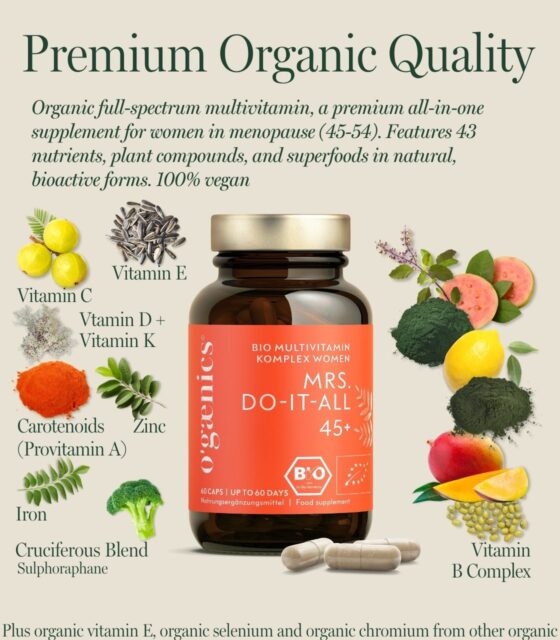
Certain vitamins and minerals are particularly relevant during the menopause. These include above all
- Vitamin D
- B vitamins
- Magnesium
- Calcium
- Omega fatty acids
- Antioxidants such as vitamin C and E
- Chrome
These nutrients support various processes in the body – from bone health and energy metabolism to hormonal balance.
The 7 most important nutrients during the menopause
Vitamin D – important for bones and the immune system
Vitamin D plays a central role in bone health. It supports the absorption of calcium from food and ensures that this mineral can be incorporated into the bones.
Vitamin D becomes particularly important during the menopause because the decline in oestrogen can accelerate bone loss. At the same time, many people in Europe have low vitamin D levels, as the body mainly produces the vitamin through sunlight.
A good supply of vitamin D provides support:
- the maintenance of normal bones
- the muscle function
- the immune system
B vitamins – energy for the body and nervous system
B vitamins are crucial for energy metabolism. They help to convert nutrients from food into energy and play an important role for the nervous system.
Especially during the menopause, many women report:
- Fatigue
- Concentration problems
- Increased susceptibility to stress
- B vitamins provide support:
- the energy metabolism
- the psychological function
- the nervous system
Vitamin B6 also contributes to the regulation of hormone activity.
Magnesium – support for muscles and sleep
Magnesium is involved in more than 300 metabolic processes in the body. Among other things, it supports normal muscle function, the nervous system and energy metabolism.
Many women benefit from a good magnesium supply during the menopause, especially if they suffer from:
- Muscle tension
- Sleep problems
- Stress
- Fatigue
suffer.
Calcium – protection for your bones
With increasing age, the body slowly loses bone mass. The decline in the hormone oestrogen further accelerates this process.
Calcium is therefore a key nutrient for bone health. Together with vitamin D, it helps to keep bones stable.
An adequate supply of calcium provides support:
- the maintenance of normal bones
- normal muscle function
- the signal transmission of the nerve cells
Omega fatty acids – support for the heart, skin and mucous membranes
Omega fatty acids play an important role in many processes in the body. Among other things, they support heart health and can regulate inflammatory processes.
They can also help with the menopause:
- dry skin
- dry mucous membranes
- inflammatory processes in the body
Vegetable oils such as linseed oil or sea buckthorn oil provide valuable omega fatty acids and other bioactive plant substances.
Antioxidants – protection against oxidative stress
With increasing age, oxidative stress increases in the body. This produces free radicals that can damage cells and tissue.
Antioxidant vitamins and trace elements help to neutralize these free radicals.
These are particularly important:
- Vitamin C
- Vitamin E
- Zinc
- Selenium
- Beta-carotene
They help to protect the cells from oxidative stress.
Chromium – support for the blood sugar metabolism
Many women notice during the menopause that they gain weight more easily or react more sensitively to sugar.
One of the reasons for this is that the blood sugar metabolism changes. Chromium helps to maintain normal blood sugar levels and supports the metabolism of carbohydrates.
Stable blood sugar regulation can help to avoid energy slumps and cravings.
Which diet is particularly helpful during the menopause
In addition to individual nutrients, general nutrition also plays an important role in well-being during the menopause.
We recommend a diet with:
- lots of fruit and vegetables
- high-quality proteins
- healthy fatty acids
- high-fiber foods
Such a diet not only supports the metabolism, but also cardiovascular health, intestinal function and energy levels.
Gut health and hormonal balance
In recent years, the role of the intestinal microbiome has also become more of a focus of research. Certain gut bacteria are involved in the metabolism of hormones and can influence how oestrogen is processed in the body.
A balanced intestinal flora therefore not only supports digestion, but also:
- the immune system
- the metabolism
- the hormonal balance
Fiber, fermented foods and probiotic bacteria can help to promote the balance of the intestinal flora.
Conclusion
The menopause is a phase of major changes in the body. With the right diet and a targeted supply of important micronutrients, you can optimally support your body during this time.
These are particularly important:
- Vitamin D for bones and the immune system
- B vitamins for energy and nerves
- Magnesium and calcium for muscles and bones
- Omega fatty acids for skin and mucous membranes
- Antioxidants to protect the cells
- Chromium for the blood sugar metabolism
If you take good care of your body now, you can cope better with typical menopausal symptoms and at the same time strengthen your health in the long term.
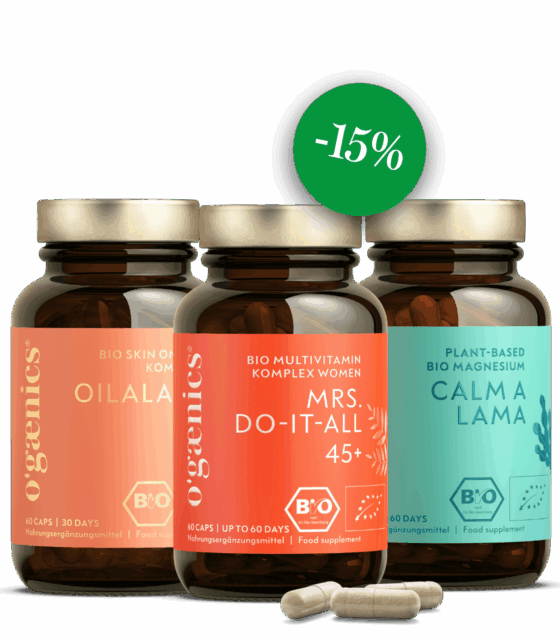
All the nutrients you need during the menopause in one set
-

Set menopause
This set offers you all-round nutritional support during the menopause148,50 €174,70 €1.475,51 €1.254,22 € / kg
FAQ
The most important vitamins include vitamin D, B vitamins and antioxidant vitamins such as vitamin C and E. They support bones, energy metabolism and cell protection.
Many women benefit from a good supply of vitamin D, as the vitamin plays an important role in bone health.
Yes. A balanced diet rich in micronutrients, healthy fats and fiber can help support metabolism, energy and overall well-being.


 No products in the cart.