



Suddenly, I Can’t Tolerate Alcohol Anymore: What Menopause Has to Do With It
Do you get headaches, heart palpitations, or a restless night after just one glass of wine? Many women find that they suddenly tolerate alcohol less well during perimenopause and menopause. Learn what changes are behind this and how you can manage it more effectively.
In the past, a glass of wine was simply part of dinner. Today, after drinking the same amount, you wake up in the middle of the night, feel exhausted the next morning, or notice that your hot flashes and heart palpitations are getting worse.
Many women in their mid-40s and older experience this. During menopause, the body often reacts more sensitively to alcohol. This can manifest as a more severe hangover, but also as poor sleep, headaches, restlessness, or increased sweating.
Why can’t I suddenly tolerate alcohol anymore during menopause?
The hormonal changes that occur during menopause affect many bodily processes. At the same time, body composition, sleep patterns, and nervous system responses often change as we age.
There is usually no single cause. Several factors can come into play.
1. Alcohol is distributed in a smaller volume of body water
Alcohol is distributed primarily in body water. On average, women have less body water relative to their body weight than men. If the ratio of muscle mass to fat tissue changes further with age or during menopause, the same amount of alcohol can lead to a higher blood alcohol concentration.
A glass of wine may therefore have a stronger effect than it used to, even if the amount consumed hasn’t changed.
2. Why the same amount of alcohol can put more strain on your liver
Your liver breaks down most of the alcohol. In this process, ethanol is first converted into the reactive intermediate acetaldehyde and then into acetate.
Alcohol → Acetaldehyde → Acetate
This process does not suddenly change completely during menopause. However, because the same amount of alcohol can have a stronger effect due to lower body water content, the effects of alcohol consumption are often felt more acutely. Headaches, heart palpitations, nausea, and fatigue can also result from fluid loss, disrupted sleep, and other metabolic reactions.
Especially as you reach middle age, it can be helpful to take a fresh look at your habits:
- Do I drink for pleasure or out of habit?
- Does alcohol make my sleep worse?
- Are hot flashes or heart palpitations getting worse?
- Will I feel sluggish the next day?
- Would a non-alcoholic alternative be just as satisfying?
3. Alcohol can make hot flashes and sweating worse
Hot flashes and night sweats are among the most common symptoms of menopause. They occur because hormonal changes affect the brain’s temperature regulation.
Alcohol dilates blood vessels and initially creates a sensation of warmth. In sensitive women, a drink can therefore trigger a flush or intensify existing hot flashes.
Typical reactions include:
- a face that suddenly feels warm or becomes red
- increased sweating
- Palpitations
- a restless physical sensation
- waking up at night
Not every woman reacts the same way. Keeping a personal symptom diary can help during menopause to identify connections between certain beverages, amounts consumed, and symptoms.
4. Sleep becomes even more susceptible to disruption
Many women have trouble sleeping during perimenopause. Hot flashes, restlessness, and hormonal changes can cause them to lie awake longer or wake up more often at night.
Alcohol initially makes you feel sleepy, but it often reduces the quality of your sleep later on. The second half of the night may become more restless. This is accompanied by thirst, sweating, or an increased heart rate.
Those who are already dealing with sleep problems related to menopause often notice the effects particularly clearly. Sleep disturbances and hot flashes can exacerbate each other and impair quality of life.
5. Mood and the nervous system are more sensitive
Menopause can be associated with irritability, mood swings, or anxiety. Alcohol may feel relaxing in the short term, but it can later exacerbate restlessness and low moods.
This is especially noticeable after an already exhausting day. That drink you have to unwind might then lead to poorer sleep and a feeling of irritability the next morning.
What can you do if you have a harder time handling alcohol during menopause?
You can’t make your body suddenly tolerate alcohol the way it used to. However, you can adjust the amount, the timing, and the situation to accommodate your changed reaction.
Drink less
Often, even a small amount is enough to enjoy that special moment. For example, pour yourself just half a glass, or make a conscious decision to stick to one drink for the entire evening.
Do not drink on an empty stomach
Eating a meal slows down the absorption of alcohol. The best choices are foods that contain protein, complex carbohydrates, and a little fat.
Drink a glass of water with every alcoholic beverage
Alcohol can increase fluid loss. Drinking a glass of water between drinks helps you drink more slowly and keep better track of your fluid intake.
Don’t use alcohol to help you fall asleep
Alcohol may initially make you feel relaxed, but it can later disrupt sleep and increase nighttime restlessness. This effect can be particularly noticeable during menopause. Alcohol is also one of the possible triggers of hot flashes and night sweats.
So think about what need lies behind that evening drink. Do you want to unwind after a long day at work, enjoy a ritual, or give your nervous system a break?
An alcohol-free evening routine during menopause can help you navigate this transition mindfully: a mocktail, dimmed lights, a few calm breaths, and magnesium as part of your daily nutrient intake.
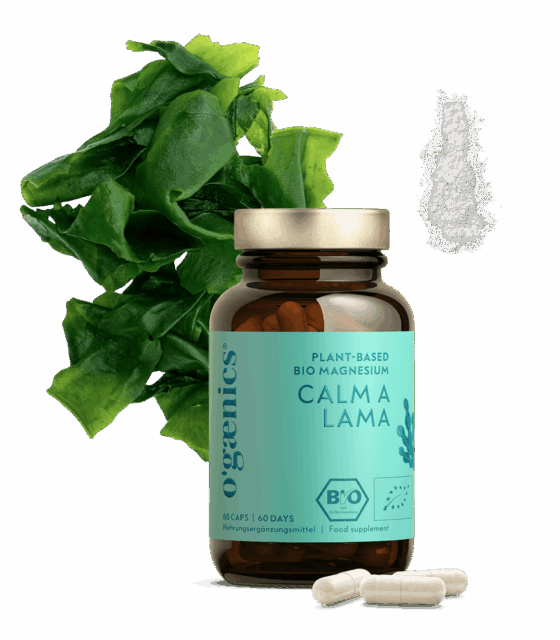
Magnesium supports normal nervous system function and normal mental function. It also helps relax your muscles, which helps you “wind down” in the evening. CALM A LAMA Plant-based Magnesium can therefore be easily incorporated into a mindful evening routine as an alternative.
-
Bestseller

Calm A Lama
60-day supply of plant-based organic magnesium from premium organic green algae extract for muscles and nerves44,90 €1.076,74 € / kg

Be aware of your personal triggers
People tolerate red wine, sparkling wine, sweet cocktails, and high-proof beverages differently. Stress, lack of sleep, and an empty stomach can also affect how one reacts.
Mocktails: Enjoyment without the next-morning regrets
Non-alcoholic cocktails have long been more than just fruit juice with a garnish. Herbs, citrus fruits, ginger, tea, spices, and bitters create complex flavors that come closer to those of a classic cocktail.
A good mocktail can preserve the ritual of enjoying a special drink without adding the side effects of alcohol, such as insomnia, hot flashes, and a sense of well-being.
When buying ready-to-drink non-alcoholic beverages, pay attention to the sugar content. Some alternatives contain a lot of sugar and are therefore not necessarily the better choice.
A simple combination for at home:
Grapefruit Rosemary Spritz
Add ice cubes to a glass. Pour in grapefruit juice, mineral water, and a small splash of non-alcoholic bitter aperitif. Serve with a sprig of rosemary and a slice of grapefruit.
How to Support Your Liver During Menopause
A capsule cannot speed up alcohol metabolism or prevent a hangover. The key is to drink less alcohol and have regular alcohol-free days. Anyone who wants to consciously incorporate liver health into their daily wellness routine can also incorporate traditional bitter herbs.
Milk Thistle
Milk thistle is one of the best-known traditional herbs for liver health. Its fruits contain a complex of plant compounds known as silymarin.
Artichoke Artichoke leaves contain natural bitter compounds. They are traditionally used to support digestion and bile function.
Dandelion
Dandelion is also a classic bitter herb. Traditionally, its roots and leaves, among other parts, are used.
The Power of Plants for Your Daily Routine During Menopause
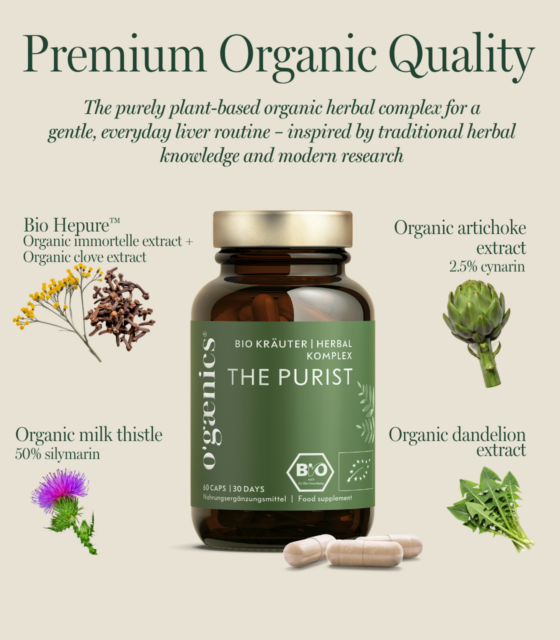
The liver doesn’t just kick into gear after a glass of wine. It performs key metabolic functions every day. That’s why THE PURIST is designed as a daily herbal regimen for your liver and combines selected plants from European herbal medicine:
• Organic milk thistle • Organic artichoke • Organic dandelion • Hepure™ organic plant complex
The formula combines traditional bitter herbs with a modern organic herbal complex and can be easily incorporated into your daily routine.
After all, a healthy liver isn’t just important after a long night out—it plays a key role in your overall well-being
Important: THE PURIST does not break down alcohol any faster and does not prevent hangovers. This product is not a substitute for regular or heavy alcohol consumption.
Conclusion: Your body sets new limits
If you suddenly find it harder to tolerate alcohol during menopause, you’re not imagining it. Changes in body composition, more sensitive sleep patterns, and typical menopausal symptoms can make even small amounts of alcohol feel more noticeable.
You don’t have to keep drinking alcohol the way you used to. Drinking less alcohol, choosing more non-alcoholic alternatives, and paying close attention to your personal symptoms can significantly improve your well-being.
Your liver performs key metabolic functions every day and is already under a lot of strain due to hormonal changes. Support it, above all, by taking regular alcohol-free breaks, using supportive bitter herbs, and adopting a lifestyle that suits your body as it is today.
Because a healthy liver is not only important after a long evening, but every day.
-
Organic Milk Thistle
Organic milk thistle premium extract with 200 mg silymarin per capsule for the liver29,90 €854,29 € / kg
-
Bestseller
The Purist
30-day course Organic herbal complex with milk thistle, artichoke and dandelion to support your healthy liver routine in everyday life39,90 €1.023,08 € / kg


Frequently Asked Questions: Alcohol and Menopause
Many women become more sensitive to alcohol starting in perimenopause. This may be due to changes in body composition, reduced body water, sleep disturbances, and the fact that alcohol can exacerbate typical menopausal symptoms such as hot flashes or heart palpitations. As a result, even a single glass of wine can have a stronger effect than it used to.
Yes. Alcohol dilates blood vessels and can trigger or intensify hot flashes, facial flushing, and night sweats in some women. The severity of the reaction varies from person to person.
While alcohol can make it easier to fall asleep, it often disrupts sleep quality during the second half of the night. Many women wake up more frequently, have more restless sleep, or sweat more. This effect can be particularly noticeable during menopause.
There is no clear scientific evidence to support this. While the liver remains the most important organ for breaking down alcohol, age-related changes in body composition can cause the same amount of alcohol to have a stronger effect and linger longer.
The liver breaks down most of the alcohol we consume. This process first produces acetaldehyde, a reactive intermediate that is subsequently converted into acetate. This metabolic process places a particularly heavy strain on the liver.
The most important measures include regular alcohol-free days, staying well-hydrated, eating a balanced diet, and drinking alcohol in moderation. Traditional bitter herbs such as milk thistle, artichoke, and dandelion (e.g., in The Purist Organic Herbal Complex by Ogaenics) have been used for centuries in European herbal medicine and can be part of a mindful liver care routine.
There’s no one-size-fits-all answer to that. Some women are particularly sensitive to red wine, while others react to sparkling wine or high-proof beverages. It can help to keep track of your own triggers and adjust how much you drink accordingly.
Yes. Among other things, alcohol can exacerbate hot flashes, sleep disturbances, heart palpitations, and night sweats. Many women therefore report that they can tolerate significantly less alcohol during menopause than they used to.
For many women, yes. Non-alcoholic cocktails allow you to enjoy a special drink without putting additional strain on your body from alcohol. This often makes it possible to maintain your evening ritual while improving your sleep and well-being.
Magnesium is not a substitute for alcohol. However, it can be part of a healthy evening routine. Magnesium contributes to the normal functioning of the nervous system, to normal psychological function, and to the reduction of tiredness and fatigue. Those who have primarily relied on a glass of wine to unwind can instead consciously develop alcohol-free rituals.



 No products in the cart.